She Wrote the Book She Needed as a Little Girl — Now It's Helping Kids Feel Less Alone
Episode 98 Overview
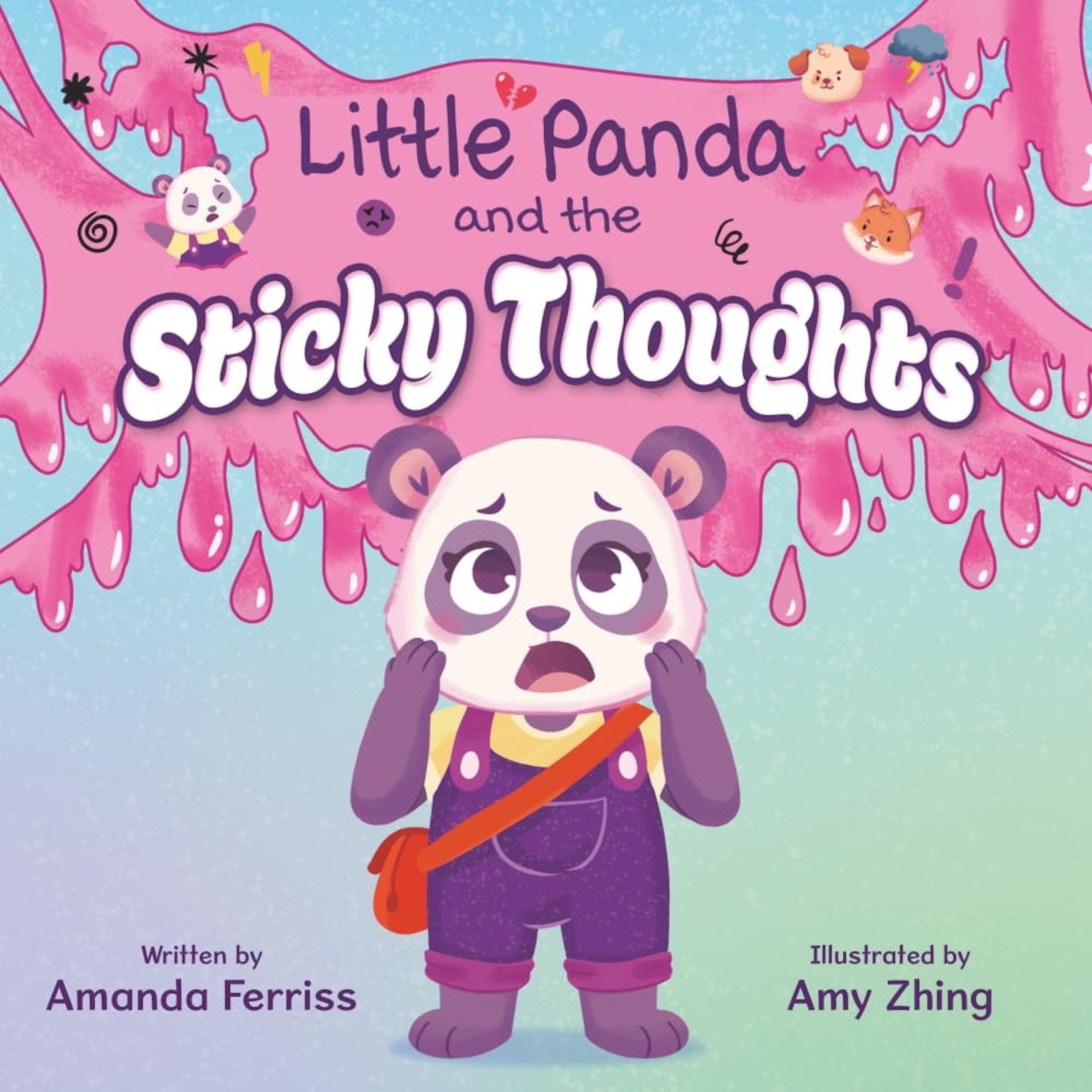
In this heartfelt conversation, Amanda Ferris takes us on her journey from rediscovering her childhood passion for writing to publishing her debut children’s book, Little Panda and the Sticky Thoughts. Amanda shares candidly about the emotional motivations behind her work, the creative process, and the entrepreneurial challenges of bringing a children’s book to market—plus the strategies that are actually working for her.
Key Topics Discussed
What Being a Children’s Book Author Means to Amanda
Amanda opens the conversation by sharing what becoming a children’s book author represents to her. It’s twofold: first, it’s about following a lifelong dream and reconnecting with who she was at her core—a creative kid who loved to write. Second, it’s about making an impact by teaching children about their emotions and helping them feel less alone with their “big thoughts.”
The Personal Inspiration Behind Little Panda and the Sticky Thoughts
Amanda’s book was born from a deeply personal moment. After years of therapy and personal growth work, she found herself handling a difficult friendship conflict with grace and emotional intelligence. That’s when it hit her: If my younger self had these tools, everything would have been different.
Key inspiration points include:
- The “sticky thoughts” concept: Amanda had been thinking about this idea for years before it clicked as a book concept
- Her grandfather’s legacy: The character name “Little Panda” honors her close relationship with her grandfather, who called her his little panda when she was young and bonded with her over reading
- Creating a series: Amanda knew from the start she wanted this to be the first in a series of books addressing different emotional experiences
The Creative Process: From Idea to First Draft
Amanda walks us through her timeline:
- December 2024: Initial idea sparked; Amanda began jotting down notes and outlines
- January 2025: Enrolled in a children’s book writing masterclass to level up her craft
- February 2025: Started writing her first draft
Her creative process involves capturing ideas whenever inspiration strikes—even late-night phone notes from bed that get developed into outlines the next day.
Building a Children’s Book Business (While Managing Expectations)
Amanda is refreshingly honest about the reality of marketing a children’s book. She emphasizes that her business plan is “constantly evolving and changing” because this is her first rodeo. The biggest lesson? Getting discovered is really hard.
Her key business insights:
- The post-launch momentum drop is real—and it’s on you to keep pushing
- Success in this genre relies heavily on word of mouth and trust-building, which takes time
- Rather than getting overwhelmed by the big picture, Amanda focuses on doing “one little thing” each day or a few small things each week to move forward
- She measures success by forward movement, not overnight viral moments
Current marketing strategies that are working:
- Social media: Instagram reels and consistent content creation
- School visits: Amanda just completed her first school visit and found it incredibly fulfilling
- IngramSparks advertising: She’s had significant success with paid advertising through this platform
- International bookstore placement: Her book has been picked up by bookstores across Europe and the US
- Press releases: Coming soon to her marketing plan
- Multiple formats: Softcover, hardcover, and ebook versions make the book accessible to different readers
The Surprising Truth About Traditional Publishing
Amanda shares a revelation that surprised her: even traditionally published authors are expected to maintain momentum on their own books. Publishers aren’t doing the heavy lifting on marketing that many aspiring authors assume they will. This was eye-opening for Amanda and speaks to a reality many children’s book authors face, regardless of their publishing path.
The Importance of Illustrations and Design
The host takes a moment to showcase Amanda’s book on an iPad, highlighting the vibrant, beautiful illustrations. Amanda gives credit to her illustrator for bringing her vision to life, noting that while she’s creative with words, she’s not artistically creative. The visual quality of a children’s book is clearly a priority for her, and it shows.
Notable Quotes & Insights
“If my young self would have had these tools, that would have been so helpful.”
“Getting discovered is really hard. You have this idea and you think it’s going to be amazing, and you have the launch, and that’s so exciting. And then the momentum kind of dies, and you realize that it’s really on you to keep pushing this forward.”
“All I have to do is one little thing to keep moving it forward, and I don’t have to feel overwhelmed by the magnitude of things.”
“These things happen slowly over time. With something like this, especially in the genre that my book is in and my series is in, it’s a lot about word of mouth and how it makes people feel… You have to establish trust.”
“If you can just do one thing each day or two or three things each week, even if they’re really small, that’s still forward movement, and that’s really what matters.”
Takeaways for Aspiring Children’s Book Authors
- Write the book you needed: Your personal story and emotional journey can be the heart of a meaningful children’s book
- Don’t expect the launch to carry you: Post-launch marketing and momentum-building fall on your shoulders, whether you’re self-published or traditionally published
- Focus on incremental progress: Small, consistent actions compound over time—don’t get paralyzed by the enormity of the task
- Trust-building takes time: Success in children’s books is built on word of mouth and emotional resonance, not overnight virality
- Invest in quality illustrations: The visual presentation of your book matters and contributes to its success
- Diversify your formats: Offering softcover, hardcover, and ebook versions reaches more readers
- Get into schools: School visits are fulfilling and an effective way to connect directly with your audience
- Experiment with paid advertising: Platforms like IngramSparks can yield real results when done strategically
Resources Mentioned
- IngramSparks: Used for advertising and distribution to independent bookstores
- Children’s book writing masterclass: Amanda credits this with helping her develop her craft
- Social media platforms: Instagram is Amanda’s primary channel for marketing and audience engagement
Why You Should Listen to the Full Episode
This episode is a masterclass in authenticity and resilience. Amanda doesn’t sugarcoat the challenges of being a children’s book author, but she also radiates genuine hope and determination. If you’re:
- Considering writing a children’s book
- Struggling with post-launch marketing
- Wondering if it’s worth the effort
- Looking for real talk about the business side of children’s publishing
…then this conversation is for you. Amanda’s story reminds us that children’s books aren’t just about entertainment—they’re about connection, healing, and giving kids the tools to navigate their inner worlds.
Connect & Discover More
Want to learn more about Amanda Ferris and Little Panda and the Sticky Thoughts? Follow her on social media to see her journey unfold, catch behind-the-scenes content, and stay updated on new books in the Little Panda series.
Ready to hear Amanda’s full story? Listen to the complete episode of Adventures in the Heart of Children’s Book Authors now. Whether you’re a parent, educator, or aspiring author, you’ll walk away inspired.